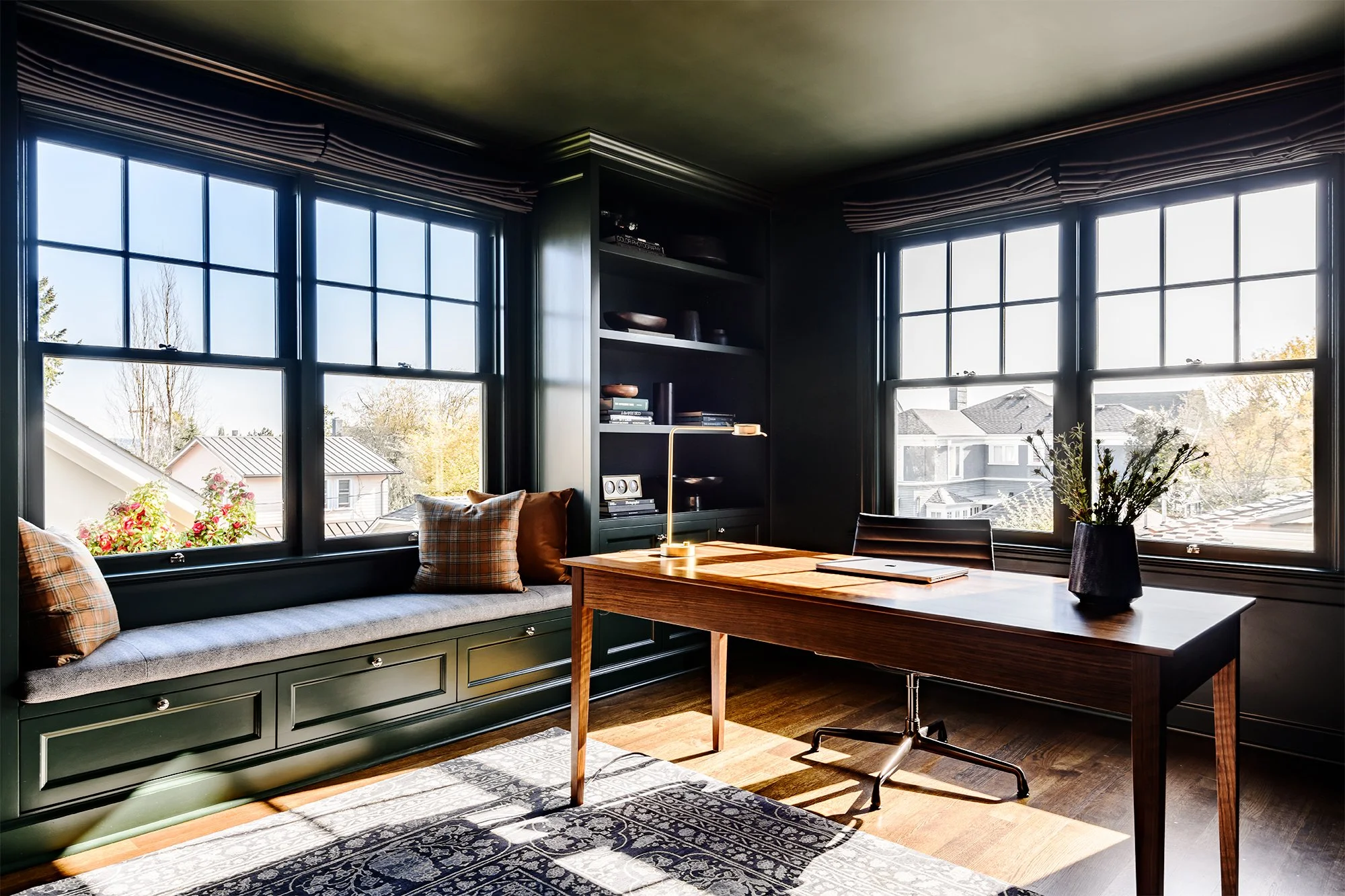
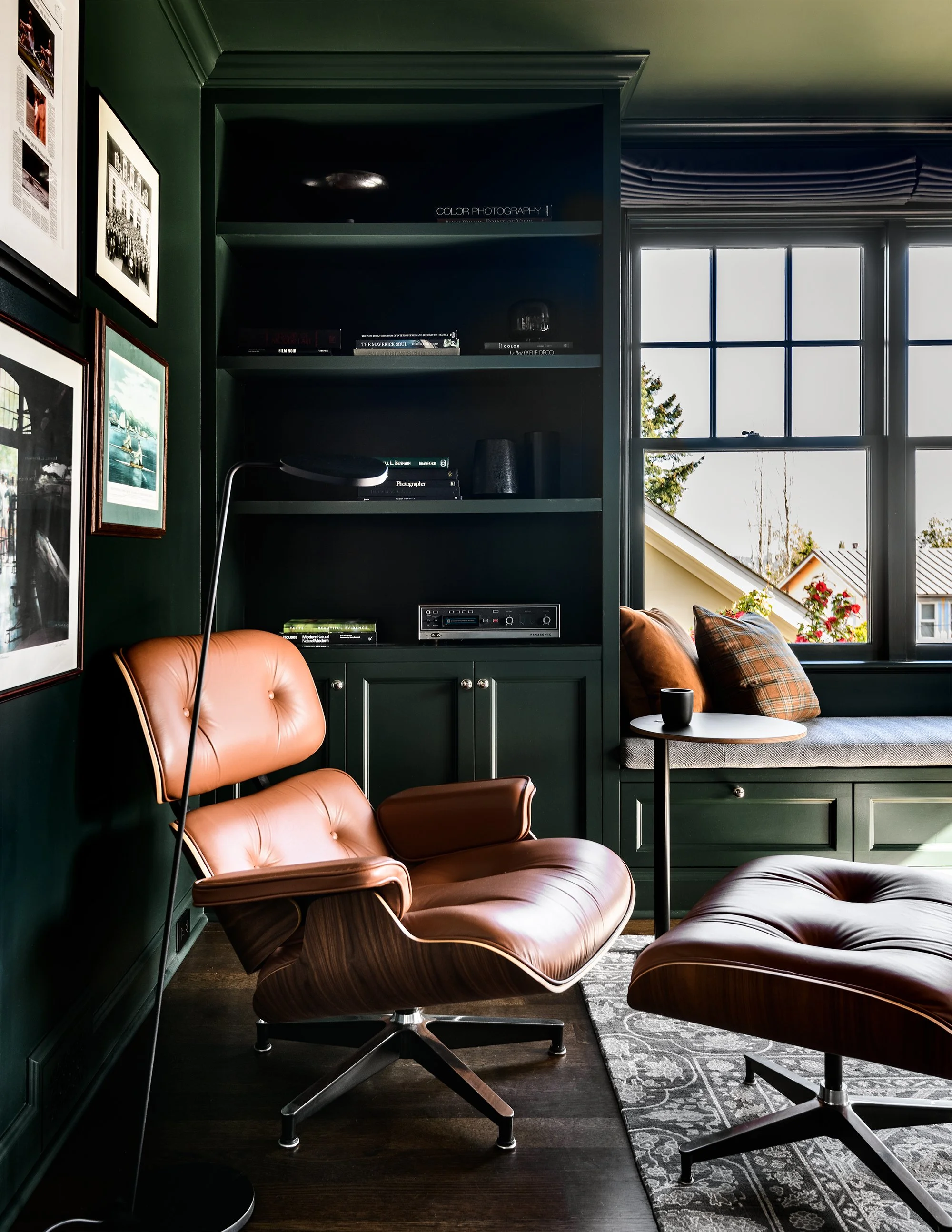
As the days get shorter and the Pacific Northwest settles into its signature fall weather, home naturally becomes a little more important. Cooler temperatures, darker evenings, and the return of rainy days invite us to slow down and create spaces that feel warm, comfortable, and inviting. In Seattle, West Seattle, Bellevue, and throughout the Pacific Northwest, fall is the perfect time to rethink how our homes function and how they make us feel.
For us, a fall refresh isn’t about completely redecorating your home or following seasonal trends. It’s about making thoughtful adjustments that bring more warmth, texture, and comfort into the spaces you already love. Whether you live in a contemporary Seattle home, a traditional house in the suburbs, or a cabin surrounded by the natural beauty of the Pacific Northwest, small design changes can make a meaningful difference.
The most inviting interiors are often the ones that feel considered rather than overly styled. By layering natural materials, introducing warmer colors, improving lighting, and creating comfortable places to gather, you can prepare your home for the season while maintaining a timeless design that feels right year-round.
Layer in Warmth Through Texture:
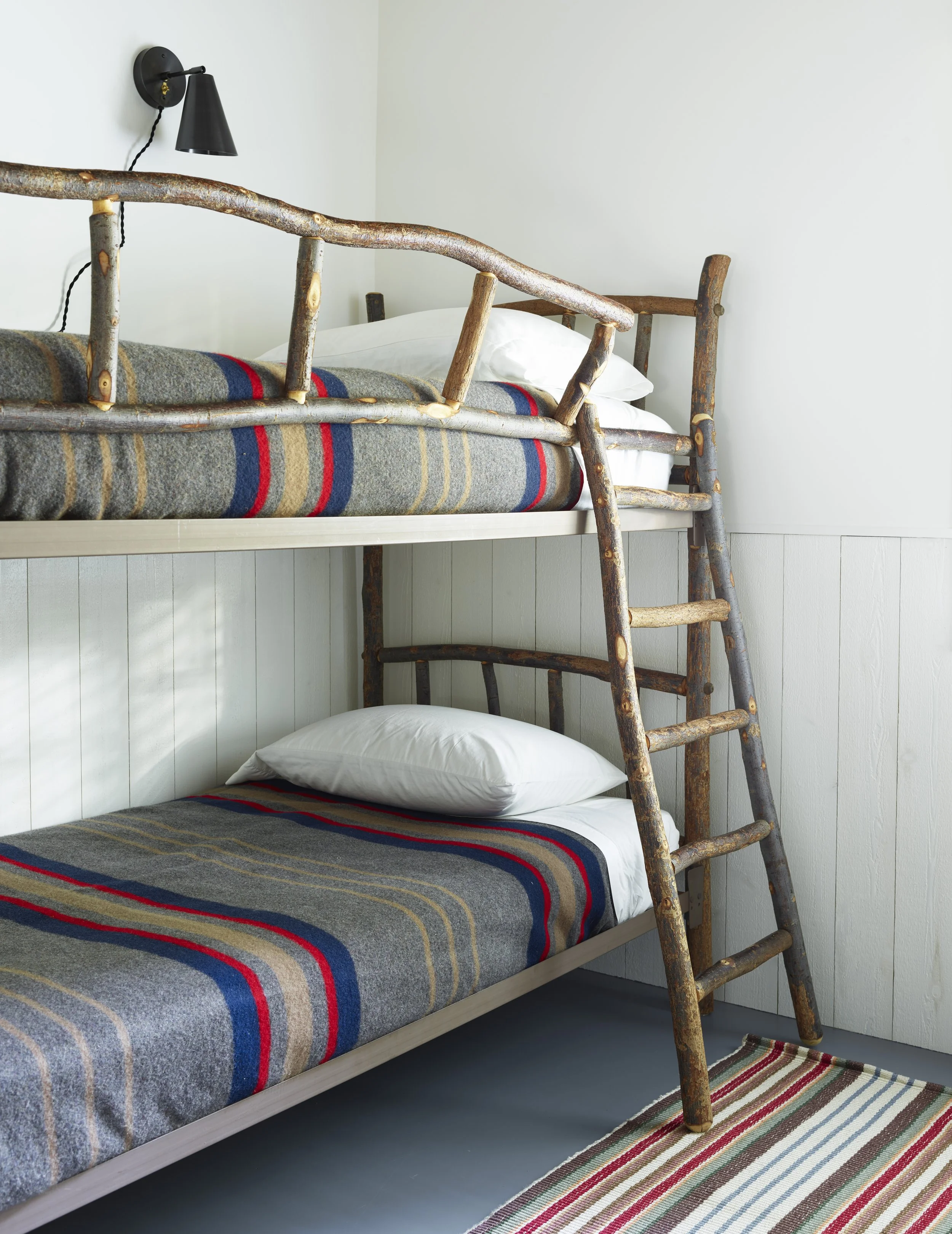
One of the easiest ways to make a home feel cozier for fall is by layering texture. As temperatures drop, soft furnishings become more than decorative accents. They add comfort, create visual interest, and help a space feel more welcoming. Think soft wool throws, linen or boucle pillows, textured rugs, and natural materials that bring depth without making a room feel overly decorated.
When refreshing your home for fall, start by looking at the textiles you already own. A lightweight summer throw can be swapped for a heavier wool blanket, while pillows in richer fabrics can introduce a little more warmth to a sofa or favorite reading chair. Layering different materials is often more effective than adding more decorative objects. The contrast between a smooth leather chair, a soft woven throw, and a natural wood side table creates a room that feels collected and comfortable.
In Pacific Northwest homes, we love pairing softer elements with materials like warm woods, stone, leather, and aged metals. These combinations create interiors that feel grounded and connected to the landscape outside. Natural materials also tend to age beautifully, making them a worthwhile investment for homes designed to feel timeless.
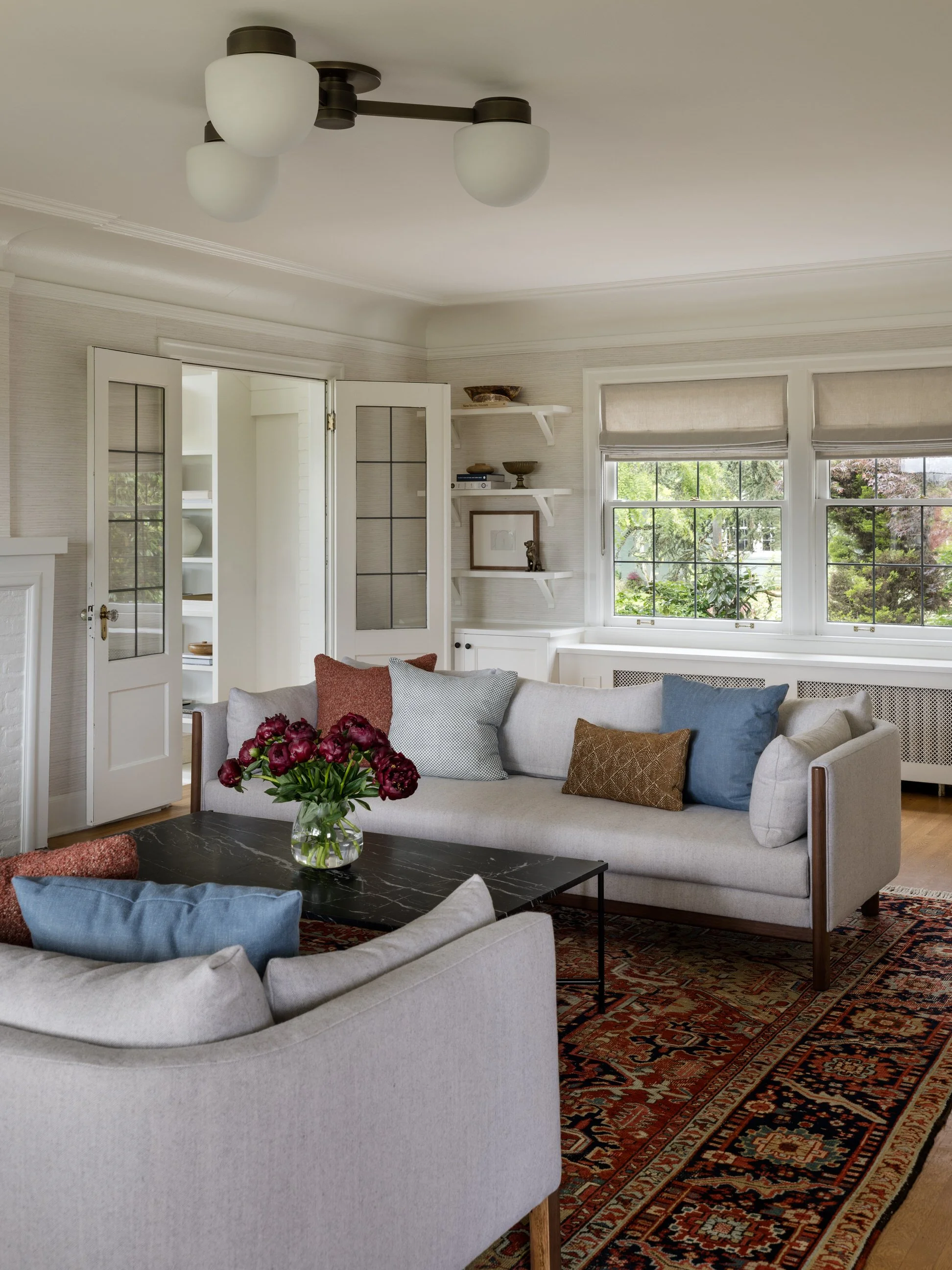
Rugs are another important consideration, particularly as the weather turns colder. A well-proportioned area rug can help define a seating arrangement, soften hard flooring, and make a living room or bedroom feel more inviting. Look for wool, natural fibers, or textured weaves that complement your existing furnishings rather than compete with them.
The key is to create layers that feel intentional. Instead of introducing a completely new look for the season, focus on materials and textures that build on your home's existing design.

Embrace a Deeper, Earthier Color Palette
Fall is a natural time to introduce richer tones into your home. Deep greens, warm browns, muted blues, rust, and earthy neutrals can instantly bring a sense of depth and warmth to an interior. These colors also feel particularly at home in the Pacific Northwest, where forests, water, mountains, and changing foliage provide an endless source of inspiration.
Rather than making dramatic color changes, consider incorporating these shades through artwork, textiles, accessories, or a single upholstered piece. A deep green pillow, a rust-colored throw, or artwork with warm, earthy undertones can shift the feeling of a room without requiring a major investment. Even subtle changes can make an interior feel more layered and seasonally appropriate.
For a more lasting approach, look beyond traditional fall colors and consider how your palette works with the architecture and natural light in your home. In Seattle and Bellevue, where overcast days are common throughout fall and winter, warm neutrals and natural wood tones can help create a sense of softness. Deep blues and greens can add richness, while creamy whites and muted taupes keep a space from feeling too dark.
Color also works best when it feels connected throughout the home. Repeating a few complementary shades in adjoining rooms creates a natural flow, especially in open-concept layouts. For example, a warm neutral living room might incorporate muted blue through artwork, with a deeper green appearing in a nearby dining area. These subtle connections help the home feel cohesive without making every room look the same.
A timeless color palette should reflect both your personal style and the character of your home. By choosing colors you genuinely enjoy, rather than decorating exclusively around a seasonal trend, you can create an interior that feels just as beautiful in spring as it does in fall.
Create a More Inviting Living Room
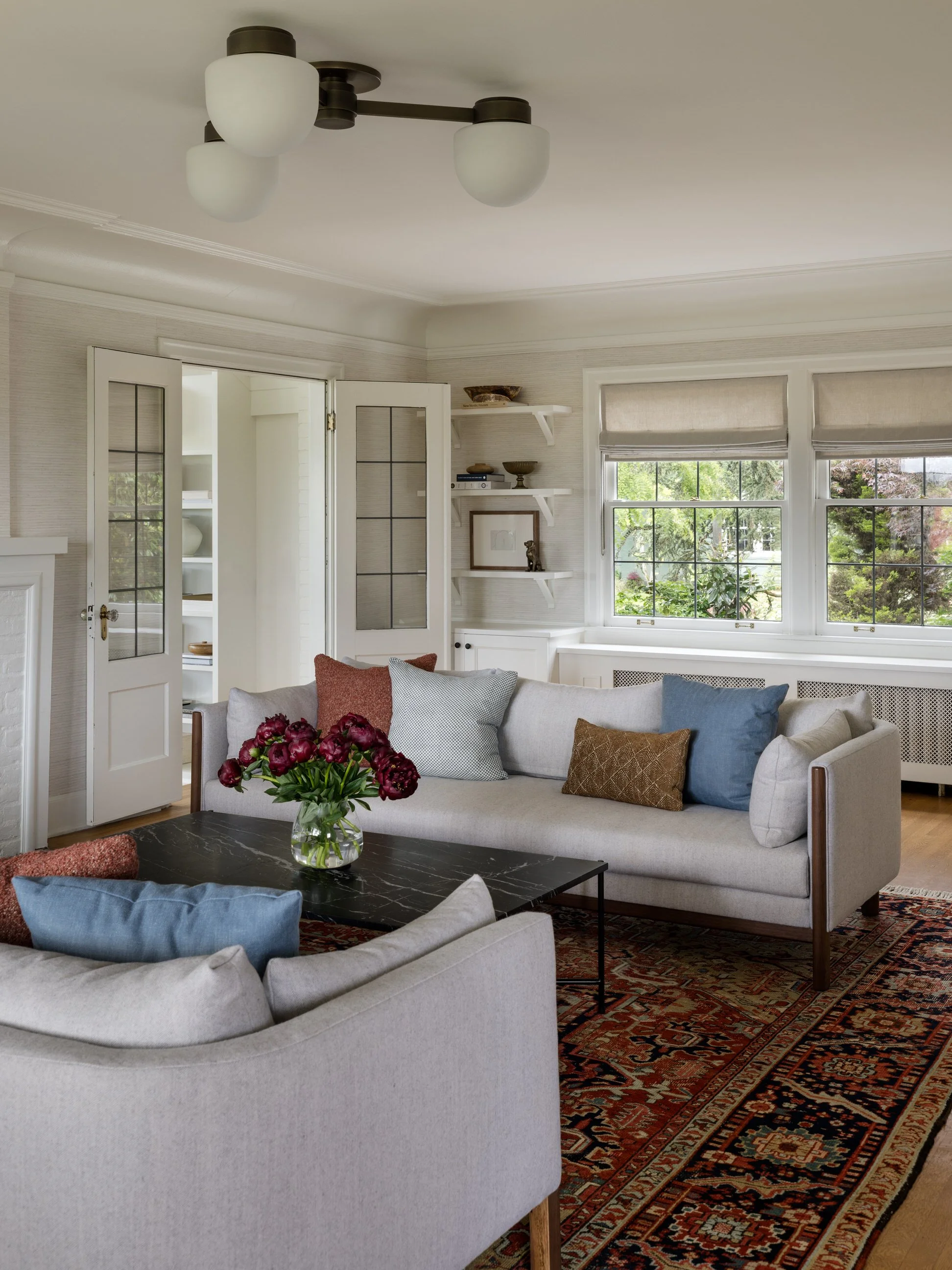
As we spend more time indoors, the living room becomes an especially important place to gather, relax, and unwind. It is where we settle in after a rainy afternoon, entertain friends, enjoy a quiet evening, or spend time with family. A fall refresh is an opportunity to reconsider how the room functions and whether the layout supports the way you actually live.
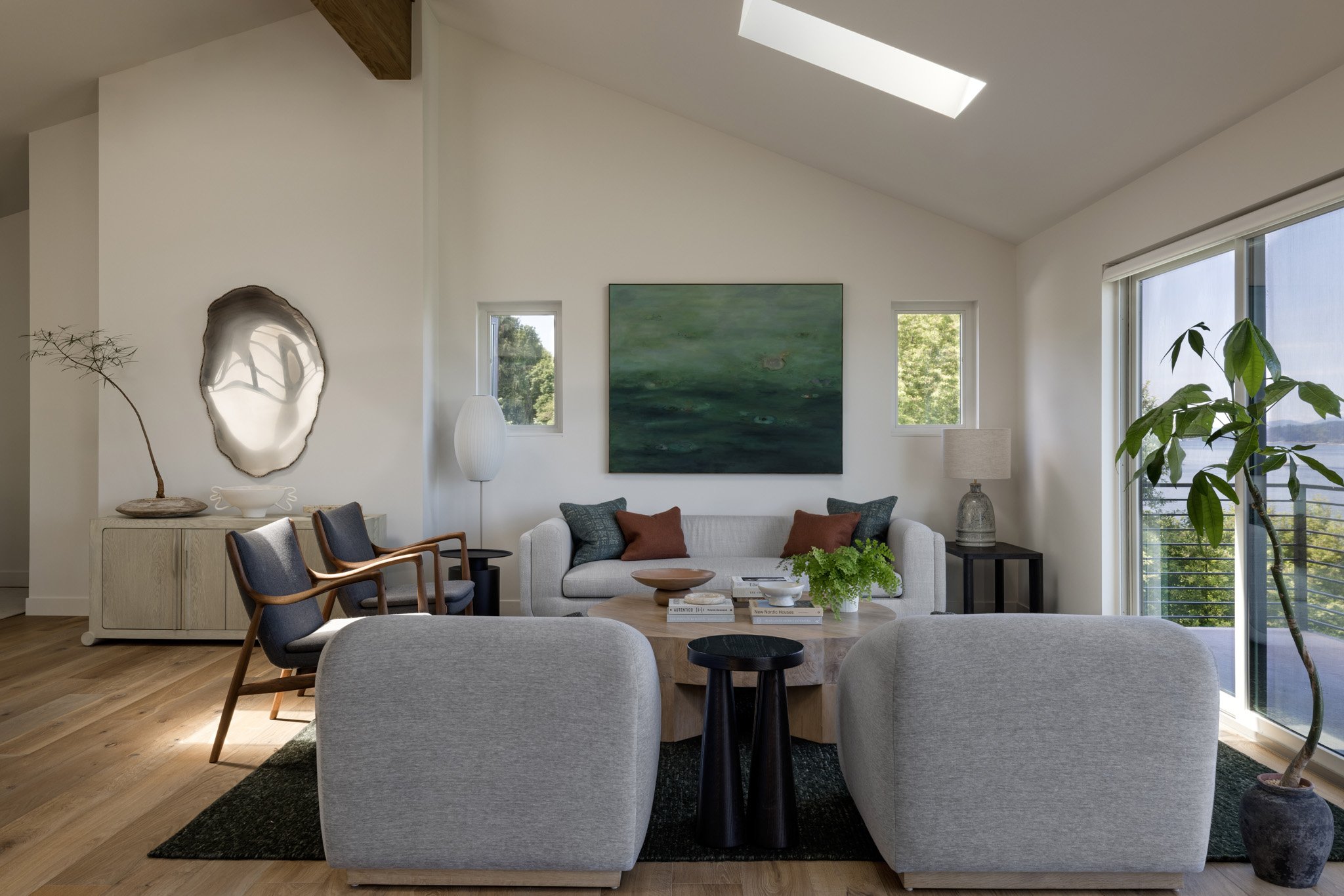
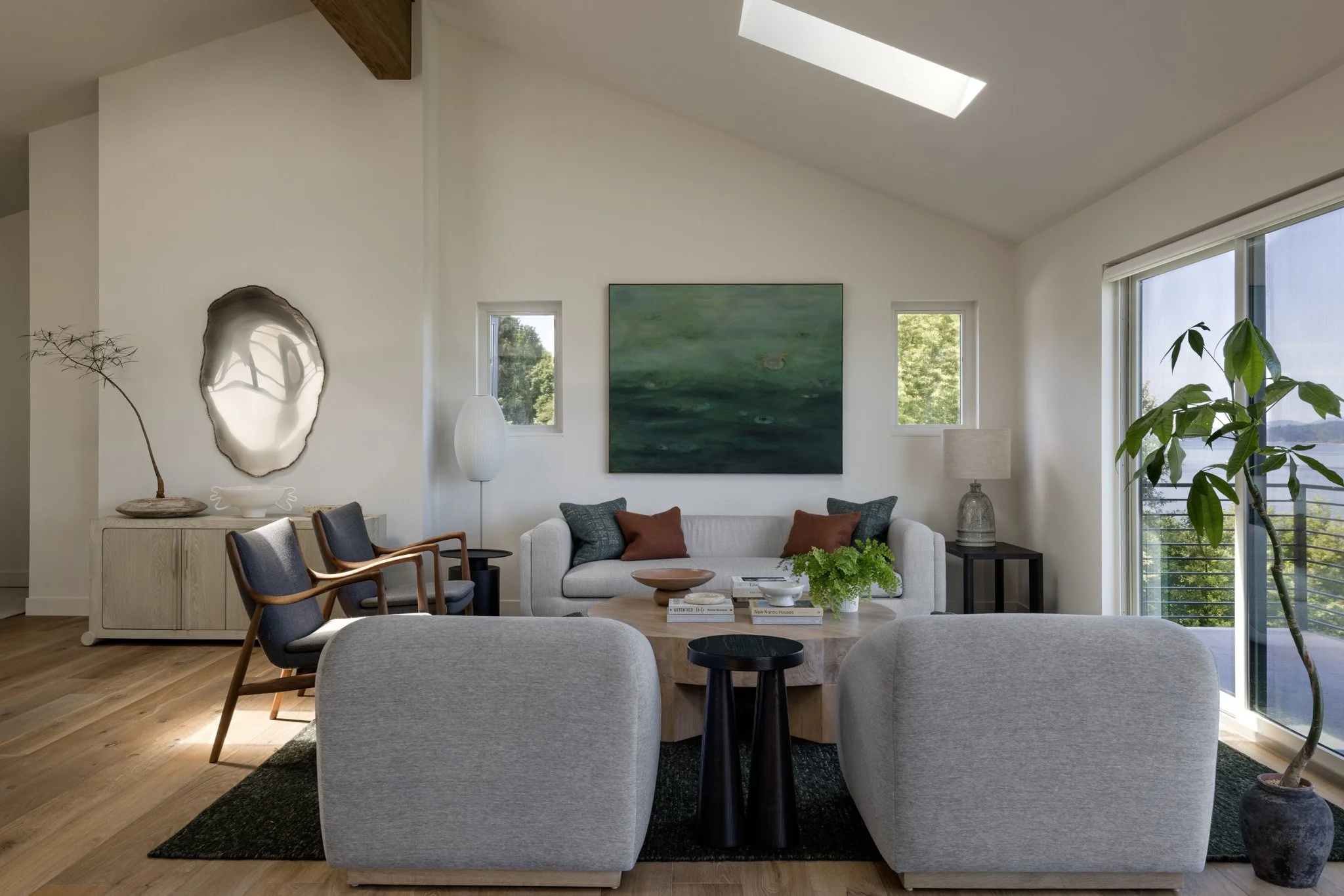
Start with furniture placement. Seating arrangements should encourage conversation and make it easy for people to spend time together. Rather than positioning every piece of furniture toward a television, consider how chairs and sofas can be arranged around a fireplace, coffee table, or favorite view. Even small adjustments to the layout can make a living room feel more intimate and connected.
Comfort is equally important. Add a generously sized throw to a sofa, introduce a sculptural side table for a place to set down a cup of coffee, or bring in an upholstered ottoman that can serve as extra seating when needed. These additions should feel useful as well as beautiful. Thoughtful interior design considers how a space looks, but also how it supports everyday routines.
Pay attention to scale, too. A rug that is too small, a coffee table that feels undersized, or lighting that is out of proportion can make an otherwise beautiful room feel unfinished. When refreshing your living room, consider whether the existing pieces work together and whether there are opportunities to improve the balance of the space.
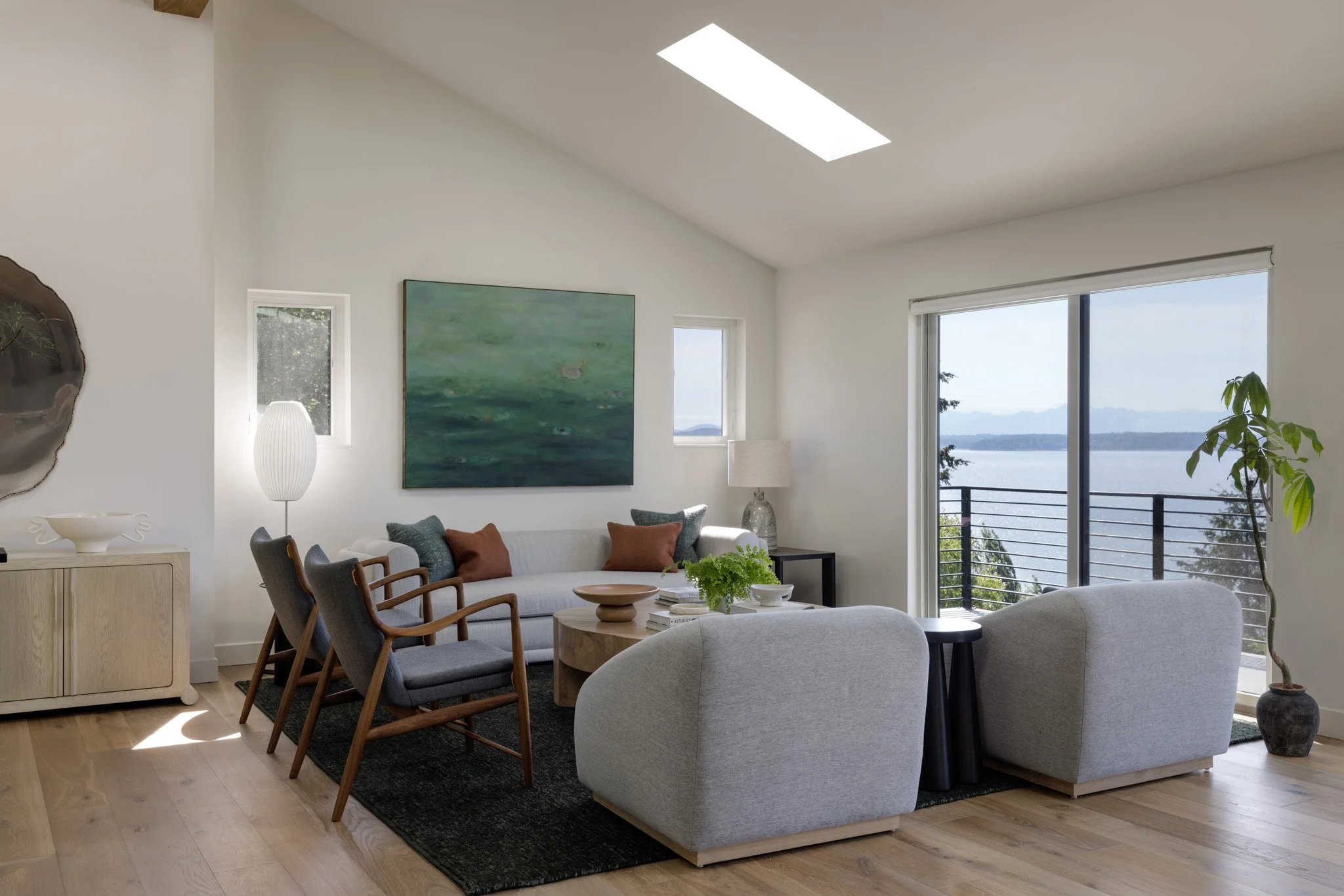
For homes with open floor plans, area rugs, lighting, and furniture groupings can help distinguish the living area from nearby dining or kitchen spaces without creating visual barriers. This is especially useful in contemporary Pacific Northwest homes, where natural light and open layouts are often central to the design.
The goal is simple: make the room feel like somewhere you want to linger. A well-designed living room should feel inviting on a quiet evening at home and comfortable enough to welcome friends and family throughout the season.
Let the PNW Inspire Your Interiors
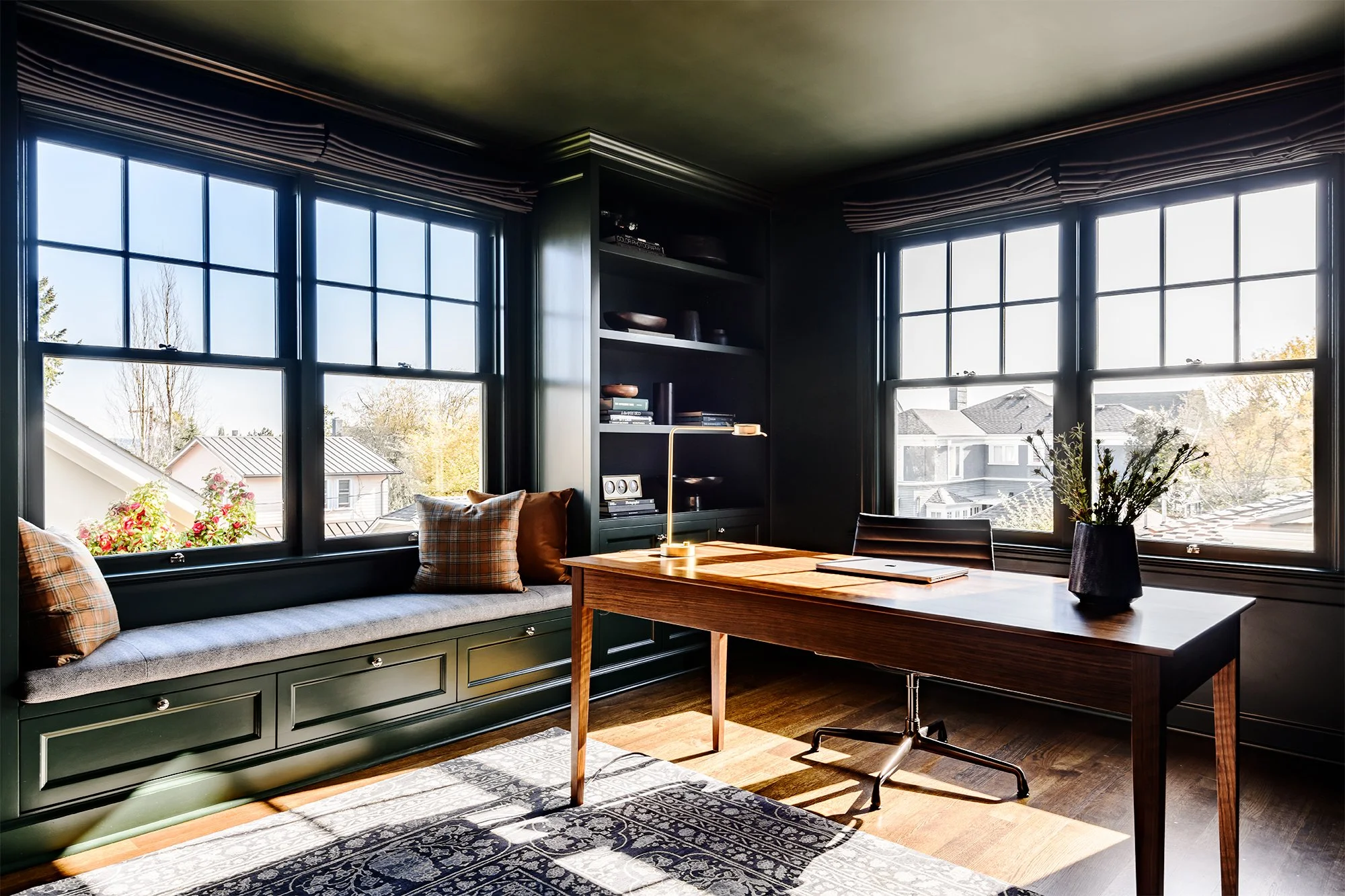
One of the things we love most about designing homes in the Pacific Northwest is the natural connection between the indoors and outdoors. From the evergreen forests and mountain views to the water and changing seasonal landscape, this region offers so much inspiration for creating interiors that feel grounded in their surroundings.
Fall provides an opportunity to lean into that relationship. Natural wood, stone, wool, leather, and organic textures complement the colors and materials found throughout the region. Deep greens can echo the surrounding trees, while warm wood tones and earthy neutrals create a sense of continuity between the home and its setting.
This approach works across a range of architectural styles. In a contemporary Seattle home, natural oak cabinetry, textured stone, and a restrained palette can soften clean lines. In a traditional Bellevue home, layered fabrics, warm wood furniture, and thoughtfully selected finishes can bring fresh character to more classic architectural details. The goal isn't to make every Pacific Northwest home look the same, but to create a thoughtful relationship between the interior, the architecture, and the landscape.
Natural materials also bring variation that manufactured finishes often cannot replicate. Wood grain, stone veining, woven fibers, and handmade ceramics introduce subtle differences that make a room feel more personal. These details add depth without relying on excessive decoration.
Bringing the outdoors in doesn't necessarily mean filling your home with plants or decorating with obvious nature-inspired motifs. Sometimes it is as simple as choosing materials that feel organic, allowing natural light to become part of the design, or selecting artwork that reflects the colors and atmosphere of the surrounding landscape.
For a truly timeless Pacific Northwest interior, we often look to the environment for inspiration rather than seasonal trends. When materials, colors, and furnishings feel connected to the place a home occupies, the result is an interior that feels natural, enduring, and distinctly personal.
Don’t Forget the Lighting
With sunset arriving earlier, lighting becomes one of the most important elements in creating a cozy home. The right lighting can transform the atmosphere of a space, especially during the darker months when we rely less on natural daylight.
Instead of depending solely on overhead lighting, incorporate table lamps, floor lamps, wall sconces, and decorative fixtures at different heights throughout the room. This layered approach creates a softer, more balanced atmosphere and gives you greater flexibility depending on the time of day and how you use the space.
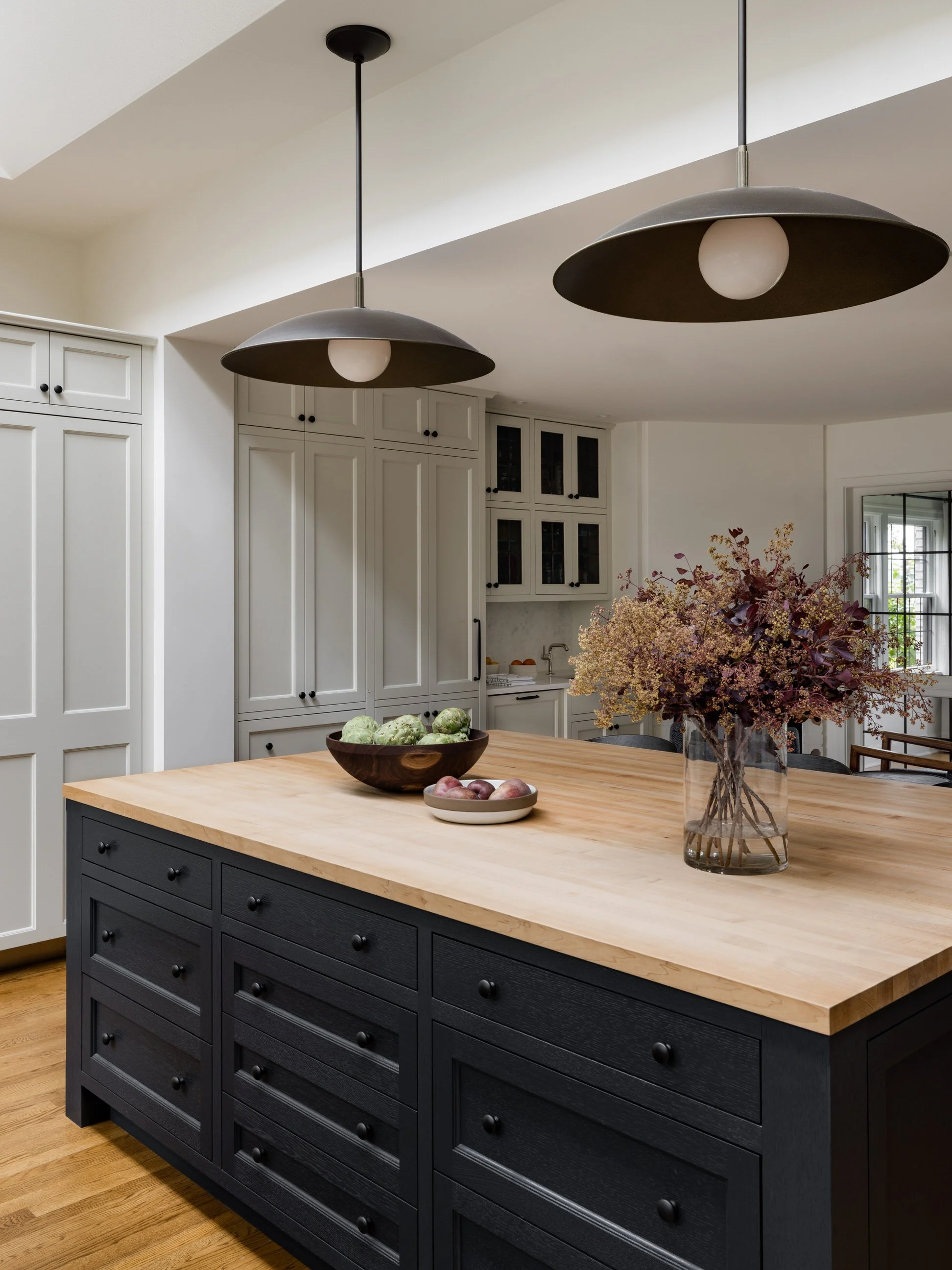
Table lamps are an easy place to start. Position one on a console, side table, or bedside table to introduce a warm glow in the evening. Floor lamps can brighten darker corners, while sconces add ambient light without taking up valuable surface space. Decorative pendants and chandeliers can also contribute to the overall design, serving as functional lighting while adding sculptural interest.
The quality of the light matters just as much as the fixture itself. Warm-toned bulbs generally create a more relaxed atmosphere than cooler lighting, particularly in living rooms, bedrooms, and other spaces intended for unwinding. Consider dimmers where possible so the brightness can shift throughout the day.
Fall is also a good time to evaluate whether your lighting plan meets the needs of each room. A kitchen may require brighter task lighting for cooking and preparation, while a dining room benefits from lighting that creates a comfortable atmosphere for lingering over a meal. In a bedroom, a combination of ambient lighting and bedside lamps makes the space feel both functional and restful.
Thoughtful lighting design is an important part of creating a home that feels comfortable year-round, but it becomes especially valuable during Pacific Northwest fall and winter. When natural light is limited, a well-planned combination of fixtures can make your home feel warmer, more welcoming, and easier to enjoy.